Written by Dr. Shilpa Reddy T, MBBS, DNB Pediatrics, IDPCCM — Consultant Paediatrician & Paediatric Critical Care Specialist, Tiny Totz Kids Clinic, Puppalaguda, Hyderabad
Every parent who visits the clinic for their baby's vaccination eventually asks: the pharmacist at the hospital gave us a long list — which of these 'optional' vaccines do we actually need?
The word 'optional' is misleading. It means these vaccines are not yet part of India's government-funded Universal Immunisation Programme — not that they are unimportant. That is a very different thing.
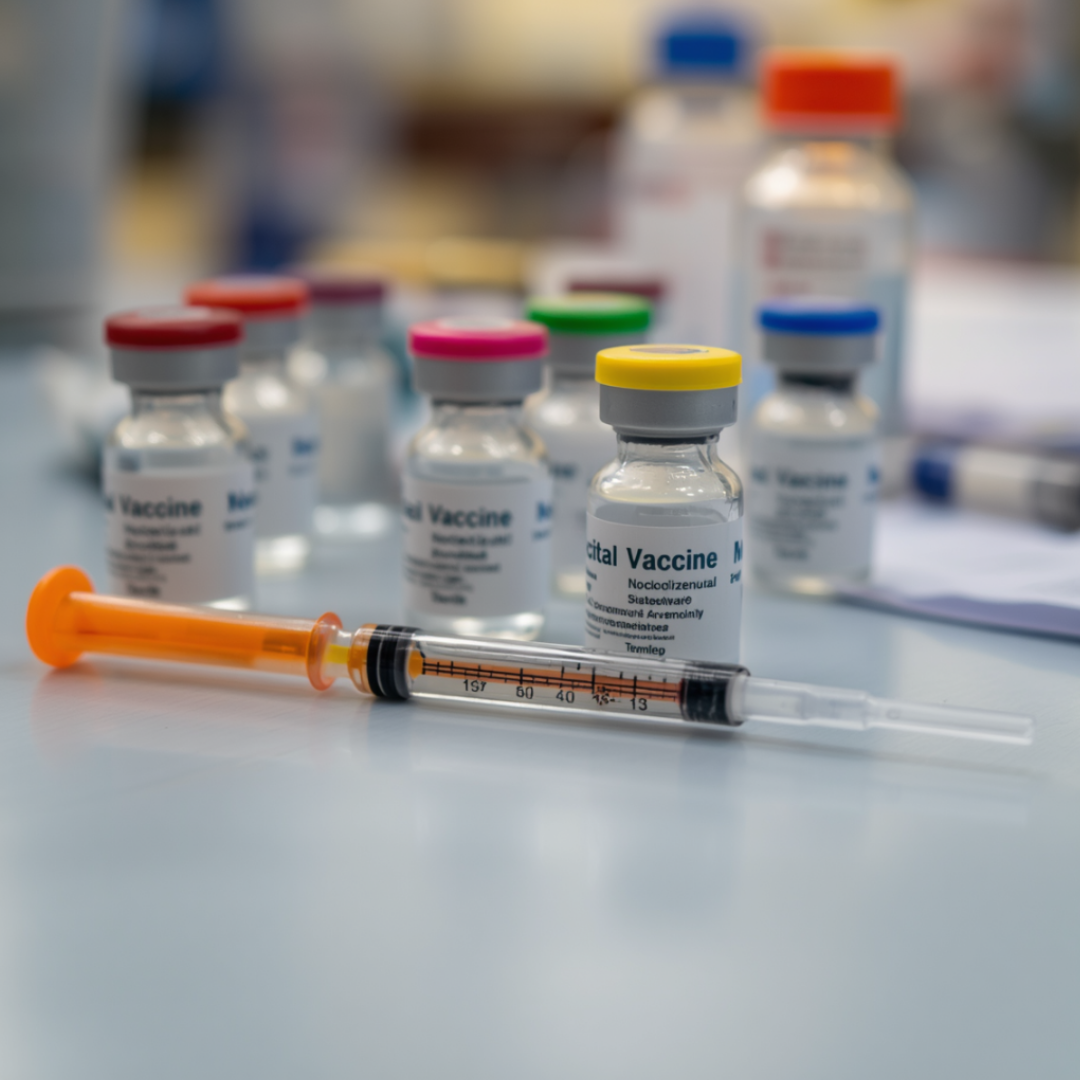
The Universal Immunisation Programme (UIP) is India's free government schedule covering the most critical diseases — BCG, Hepatitis B, OPV, DPT, IPV, Hib, MMR, and more. Every child should receive these as the foundation.The IAP (Indian Academy of Pediatrics) schedule is followed by most private paediatricians. It includes all UIP vaccines and adds several more based on Indian disease burden and urban populations. These additions are what parents hear called 'optional' — and they are available at private clinics like ours.
Chickenpox (Varicella) Vaccine
Two doses: first at 12–15 months, second at 4–6 years. Chickenpox can cause bacterial skin infections, pneumonia, and brain inflammation (encephalitis). The vaccine provides greater than 90% protection against severe disease. The scar-free, hospitalisation-free outcome is worth the cost of two doses.
Influenza (Flu) Vaccine — Annual
Given annually from 6 months of age. Influenza causes high fever, severe body aches, and is a significant cause of childhood pneumonia and hospitalisation. The flu vaccine must be given every year because the virus mutates annually. Particularly recommended for children under 5, children in daycare or school, and any child with chronic respiratory or cardiac disease.
Hepatitis A Vaccine
Two doses: at 12 months and 18 months. Hepatitis A is transmitted through contaminated food and water — significant exposure risk even in urban Hyderabad. IAP now includes Hepatitis A in its routine recommended schedule for all children.
Pneumococcal Conjugate Vaccine (PCV)
Three doses in infancy, one booster. Protects against Streptococcus pneumoniae — responsible for pneumonia, meningitis, and severe ear infections. Reduces antibiotic use and hospitalisation. PCV is partially in India's government UIP — confirm with your paediatrician whether your child has received it.
Typhoid Conjugate Vaccine (TCV)
Given at 9–12 months, booster at 2 years, five-yearly thereafter. Typhoid remains significant in India. The TCV — a newer, more effective conjugate vaccine — provides protection from 9 months with much better long-term efficacy than the older Vi polysaccharide vaccine. I strongly recommend this in the Hyderabad context.
Meningococcal Vaccine
Most conditional of the recommended vaccines. Relevant for children going to boarding schools, certain immune conditions, international travel, or Hajj. For most children in Hyderabad's residential areas, discussed case by case rather than universally recommended.
HPV Vaccine
Two doses for girls at 9–14 years; three doses if first dose is after 15 years. Protects against the strains most responsible for cervical cancer — the most common cancer in Indian women. IAP now recommends it for both boys and girls. The window for maximum benefit is 9–14 years.
Optional vaccines cost ₹500 to ₹4,000 per dose. If cost is a genuine barrier, prioritise: PCV (pneumonia), TCV (typhoid), chickenpox, Hepatitis A, then annual influenza. Discuss with me at your appointment and we'll build a plan that fits your situation.
We administer the complete IAP schedule including all optional vaccines at the Puppalaguda clinic during evening OPD. I provide a personalised vaccination card for every child with upcoming due dates. Monday to Friday, 6:00 PM to 9:00 PM. Call or WhatsApp +91 7815933120.
1. Are optional vaccines safe?
A: Yes. All vaccines on the IAP schedule, including those called 'optional', have rigorous safety records and approval from India's CDSCO. 'Optional' refers to programme inclusion, not safety status.
2. Can my child get multiple vaccines in one visit?
A: Yes. Simultaneous administration of multiple vaccines is safe, endorsed by IAP and WHO, and reduces the number of clinic visits needed.
3. My child missed some vaccines. Is it too late?
A: No. IAP follows a catch-up approach — most vaccines can be resumed from where they were left off. Bring your child's vaccination card to the appointment.
4. Is the flu vaccine really necessary every year?
A: Yes — the influenza virus changes every year and the vaccine is reformulated annually. Last year's flu shot does not protect against this year's influenza strains.
5. Should boys get the HPV vaccine?
A: Yes. HPV-related cancers and genital warts affect males as well. IAP recommends HPV vaccination for both boys and girls. The optimal time is 9–14 years.